
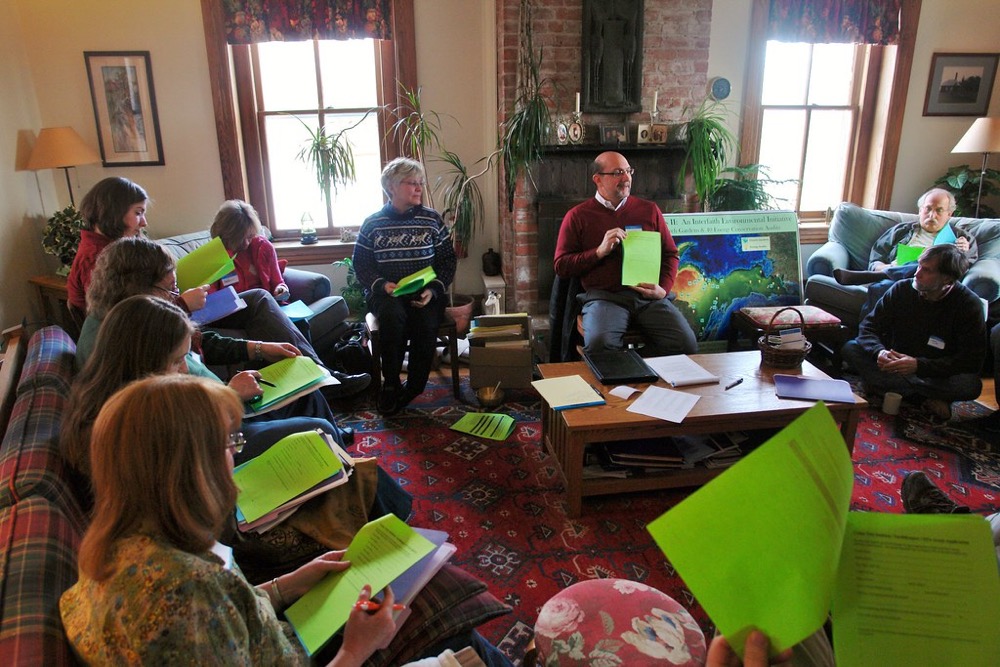
The most dangerous fundraising debrief is the meeting where everyone agrees too quickly. The campaign is over, the team is tired, and the easiest conclusion is that the result speaks for itself. If the goal was reached, the campaign worked. If it was missed, something went wrong. Either way, the meeting becomes a polite recap instead of a useful review.
That is a missed opportunity. A campaign result is not a diagnosis. It is evidence. The debrief is where the team decides what the evidence means, which parts of the campaign should be repeated, and which parts created more strain than anyone wants to admit.
A useful debrief does not need to be long. It does need to be disciplined. The meeting should protect the team from two common mistakes: celebrating so broadly that nothing is learned, or criticizing so loosely that nothing changes. The goal is to turn experience into better campaign judgment.
Open with the decisions the next campaign depends on
Most debriefs start with a timeline. The team walks through launch week, reminders, sponsor outreach, volunteer assignments, and the final push. A timeline can be helpful later, but it is rarely the best opening. People already remember the sequence. What they need is a reason to evaluate it.
Begin instead with the decisions the group must make before the next campaign. What should we repeat without debate? What should we stop doing even if it felt familiar? Where did supporters hesitate? Where did the team rely on heroics rather than a workable process? Which part of the campaign looked successful from the outside but was harder to run than it should have been?
Those questions change the tone of the meeting. They move the group away from storytelling and toward judgment. They also give quieter contributors a more useful way into the conversation because they are responding to a specific decision rather than trying to summarize the whole campaign.
It helps to name three decisions on the agenda before the meeting begins. For example: decide whether to keep the same campaign window, decide whether the first message needs to be rewritten, and decide whether volunteer roles should be narrower next time. A debrief with three decisions will usually produce more value than a debrief with twelve discussion topics.
Separate supporter friction from team strain
Fundraising teams often blend two different issues: what supporters experienced and what the team experienced. Both matter, but they should not be treated as the same problem.
Supporter friction is anything that made it harder for someone outside the team to understand, trust, or act on the campaign. The purpose may have been vague. The first ask may have arrived without enough context. The reminder sequence may have sounded urgent without explaining progress. Sponsors may have needed a clearer description of the community fit. Families may have had to ask basic questions that should have been answered in the first message.
Team strain is different. It is the internal cost of making the campaign happen. Maybe one volunteer answered every question because no one else had the information. Maybe the launch depended on a staff member working late. Maybe the message was revised too many times because there was no owner. Maybe the campaign looked simple to supporters but required a fragile set of manual handoffs behind the scenes.
A campaign can have low supporter friction and high team strain. It can also have the reverse. The debrief should name both, because the fix is different. Supporter friction usually calls for clearer messaging, timing, or instructions. Team strain usually calls for fewer moving parts, better role design, or a more realistic plan.
This distinction keeps the meeting fair. Without it, teams often blame a person for what was really a process problem, or blame the audience for confusion the campaign created. The best debriefs are honest about friction without turning the review into a courtroom.
Read the numbers as evidence, not a verdict
Every debrief needs numbers, but the numbers should not be allowed to end the conversation too early. Revenue, participation, sponsor response, message engagement, and timing all provide signals. None of them explains the entire campaign by itself.
If the campaign reached its goal, ask what made that possible. Was the message clear from the start, or did the team recover after a confusing launch? Did a few large supporters carry the result, or was participation broad enough to suggest a healthy campaign? Did the final week create momentum, or did it require a level of reminder pressure the team does not want to repeat?
If the campaign missed its goal, ask the same kind of questions without assuming the whole plan failed. The audience may have understood the purpose but needed more time. The campaign window may have conflicted with other community asks. The offer to sponsors may have been reasonable but introduced too late. The result matters, but it should lead to inquiry, not a verdict.
Qualitative evidence belongs in the room too. Bring the questions supporters asked most often. Bring examples of messages that were easy or hard to share. Bring notes from volunteers who handled the work. Bring sponsor feedback if it exists. These details often explain why the numbers moved the way they did.
The discipline is to connect every observation to a decision. Do not let the team stop at, communication could have been better. Better for whom? At what moment? In what message? What would the team change next time? A vague lesson is usually a delayed problem.
Leave with fewer changes than the meeting produced
A debrief can generate a long list of possible improvements. That does not mean the next campaign should absorb all of them. Too many changes can make the next plan heavier, not better.
The final work of the meeting is to choose the few changes that matter most. A good action list is short, owned, and connected to a future decision. Rewrite the opening message by a specific date. Create a one-page answer guide for volunteers. Reduce the reminder sequence from five messages to three. Move sponsor outreach two weeks earlier. Assign one person to track recurring supporter questions during launch.
Each action should have an owner. If no one owns it, it is not an action; it is a wish. Each action should also be small enough to survive ordinary constraints. A team that is already stretched should be cautious about improvements that require more meetings, more tracking, or more custom communication than it can sustain.
Consider a campaign that reached its revenue goal but created confusion in the first week. The debrief reveals that the purpose was clear to insiders but not to the broader community. Supporters eventually responded after volunteers explained the need in private conversations, but that extra explanation consumed time and created inconsistent messages.
The useful conclusion is not simply that the campaign worked. It is that the campaign worked despite an avoidable clarity problem. The next action list might include rewriting the first message, giving volunteers a short answer guide, and testing the purpose statement with someone outside the planning group before launch. That is a debrief doing its job.
The strongest debriefs are not the most exhaustive. They are the ones that make the next campaign easier to run and easier to trust. They respect the work people already did by turning it into practical learning. They also protect the organization from repeating hidden costs just because the final result looked acceptable.
When the meeting ends, the team should be able to say three things with confidence: what we will repeat, what we will change, and what we still need to learn. If the debrief produces that level of clarity, it has become more than a recap. It has become part of the campaign system.