
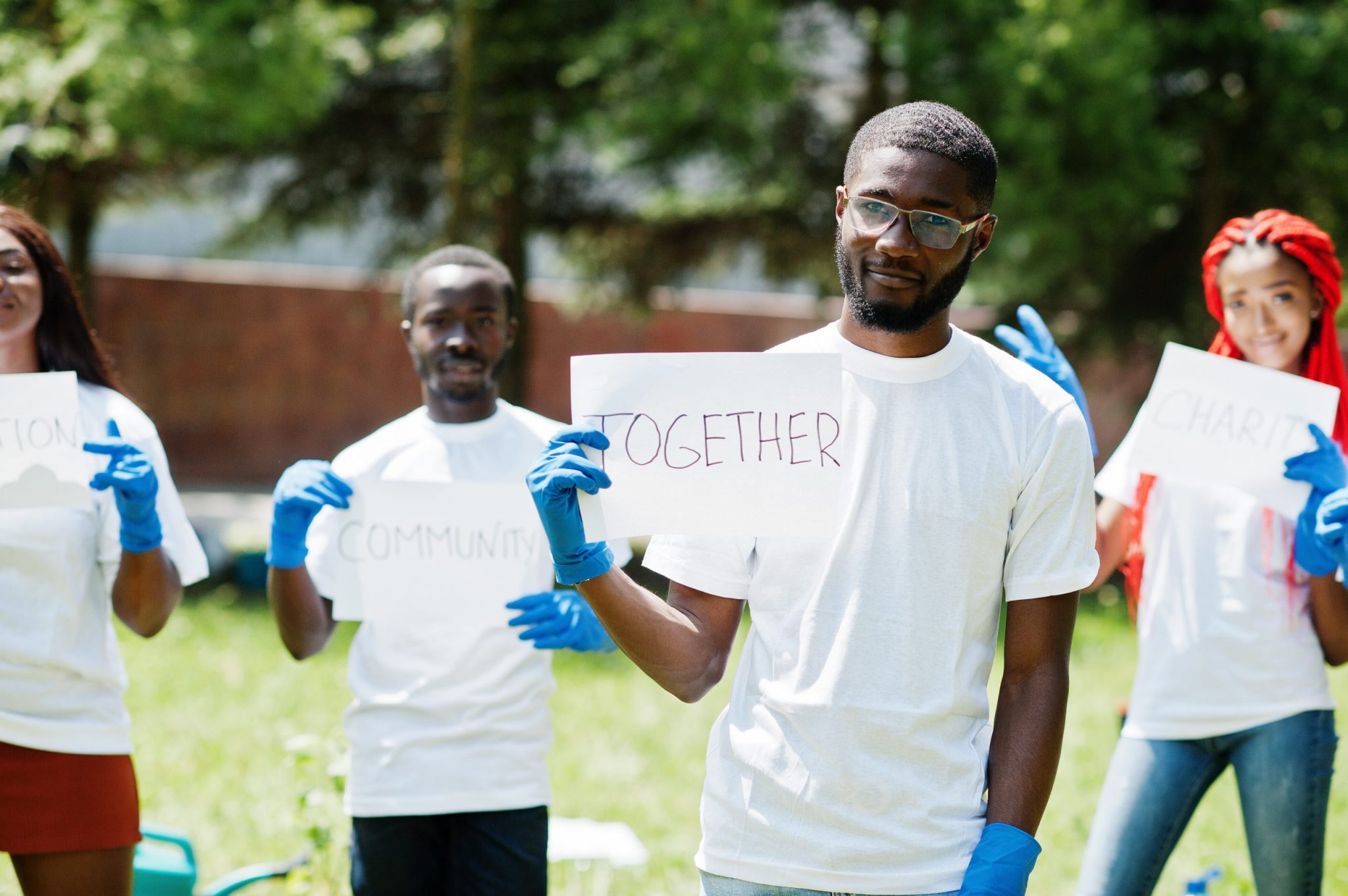
Community pride can make a fundraiser feel bigger than a request, but it can also become a soft layer of language that hides a weak campaign. That is the line nonprofit leaders have to watch. Pride helps when it gives supporters a specific local reason to act. It fails when it asks people to feel inspired before the organization has made the case clear.
The temptation is understandable. Schools, civic groups, and local nonprofits often serve people who already care about the place, team, program, or neighborhood. Leaders see that affection and assume the campaign should lead with it. Sometimes that works. Sometimes it turns the message into a warm blur: support our community, show your pride, help us do something great.
Those phrases may be positive, but positivity is not the same as participation. The useful question is whether community pride makes the decision easier for a real supporter with limited time and many competing asks. If pride sharpens the reason to join, keep it. If it only adds atmosphere, the campaign needs more substance before it needs more emotion.
Pride Needs a Specific Local Object
People are rarely proud of a fundraiser in the abstract. They are proud of a school that shaped their child, a team that gives students a place to belong, a neighborhood service that shows up when families need help, or a civic tradition that makes the community feel more capable. The campaign has to name that object clearly.
This is why community pride works best when the organization can point to something supporters already recognize. A library program, a youth sports season, a local service project, an arts performance, or a scholarship fund gives pride a place to land. The campaign is not asking people to admire the organization. It is inviting them to protect or strengthen something they already see as part of their community.
A campaign loses power when it treats pride as a substitute for specificity. Saying that a community always comes together may sound encouraging, but it does not explain what will change. Saying that participation will help keep a student program available next semester, fund a local service day, or support travel for a team gives people a more concrete reason to respond.
The test is simple. If a supporter cannot name the local thing being protected, improved, or made possible, the campaign is not ready to lean on pride. The organization may still have a strong need, but the message needs to make that need visible before asking people to attach identity to it.
The Ask Has to Make Belonging Useful
Community pride improves participation when it turns belonging into a useful action. That does not mean pressuring people to prove they care. It means showing them a clear, dignified way to help a shared effort move forward.
A parent may want to support the school but feel tired of repeated requests. A former participant may care about the program but not know what kind of help matters now. A local business may like the mission but need a clean explanation before committing sponsor support. Pride opens the door, but the ask still has to fit the supporter’s context.
The most effective campaigns make participation feel like a reasonable extension of an existing relationship. The message might say, in plain terms, that families have helped keep this program strong for years and this campaign is the next step in maintaining it. Or it might show that local sponsors are helping preserve a service residents already use. The point is not to flatter the audience. The point is to connect identity to a practical role.
That role should be easy to understand. Share the campaign with two neighbors who care about the program. Make a contribution if it fits your household. Invite a local business to consider sponsor support. Attend the community event and bring someone who is new to the organization. Each action is different, but each one helps supporters see where they belong in the campaign.
Give Messengers Language They Can Repeat
Community pride spreads through trusted messengers more than official slogans. A campaign may begin on the organization’s website or email list, but participation often grows when parents, alumni, volunteers, board members, coaches, sponsors, and neighbors can explain the campaign in their own circles.
Those messengers need language that is accurate, brief, and easy to repeat. If the organization gives them only a vague theme, each person has to invent the explanation. Some will make the campaign sound urgent, some will make it sound optional, and some will avoid sharing it because they are not sure how to describe it. That inconsistency weakens trust.
A better approach is to provide a short campaign sentence, a specific outcome, and one or two proof points. For example, a civic club might say the campaign supports a monthly meal program that served a stated number of neighbors last year and now needs help covering the next season. A booster group might explain that the effort helps reduce out-of-pocket pressure for families during a busy travel schedule. A school group might connect the campaign to a program families already recognize.
When messengers can repeat the same core idea without sounding scripted, pride becomes more credible. The campaign starts to feel like a shared local effort rather than a marketing push. That credibility matters because supporters are often deciding whether the request feels organized, respectful, and worth sharing with someone else.
Watch for the Point Where Pride Becomes Pressure
Community pride has a shadow side. If the message implies that good community members must participate, the campaign can create resentment instead of energy. People may care deeply and still have limited money, limited time, or private reasons for staying quiet. A fundraiser that turns belonging into a test can damage the very trust it is trying to use.
The safer and stronger posture is invitation. The campaign should make room for different levels of participation: contributing, sharing, volunteering, sponsoring, attending, or simply helping the right person hear about the effort. When organizations recognize several useful roles, more people can take part without feeling ranked by capacity.
This is especially important in small communities where relationships overlap. A parent may also be a volunteer, a donor, a local business employee, and a board member’s neighbor. Heavy-handed pride language can travel badly through those relationships. It may produce short-term activity, but it also teaches people that future campaigns will come with social pressure.
Leaders should review campaign copy for hidden pressure before launch. Phrases that suggest everyone should do their part may need to be softened into an invitation. Public recognition should celebrate participation without turning support into a scoreboard of worth. Pride should make people feel included in a useful effort, not cornered by it.
Make the Campaign Worth Owning After It Ends
Community pride does not end at the moment of participation. In many ways, the closeout determines whether supporters feel proud of the campaign or merely aware that it happened. If the organization reports the result clearly and thanks people in a way that connects back to the local outcome, supporters have a reason to remember the effort positively.
The closeout should answer three questions: what happened, what the support made possible, and what the community can now see or expect because of it. The answer does not have to be dramatic. In fact, modest and specific reporting often builds more trust than sweeping claims. People appreciate knowing that the campaign helped cover a defined program cost, reached a practical milestone, or kept a valued service moving.
This is where pride becomes durable. Supporters can look back and say the community helped do something concrete. Volunteers can feel that their work was respected. Sponsors can see that their support was connected to a real local outcome. Leaders can begin the next campaign with more credibility because the last one closed the loop.
Community pride improves participation when it makes the campaign easier to understand, easier to share, and easier to believe. It should never be asked to carry a vague message or compensate for a confusing ask. Used well, it reminds people that the fundraiser is not just another request. It is a practical way to take care of something the community already values.