
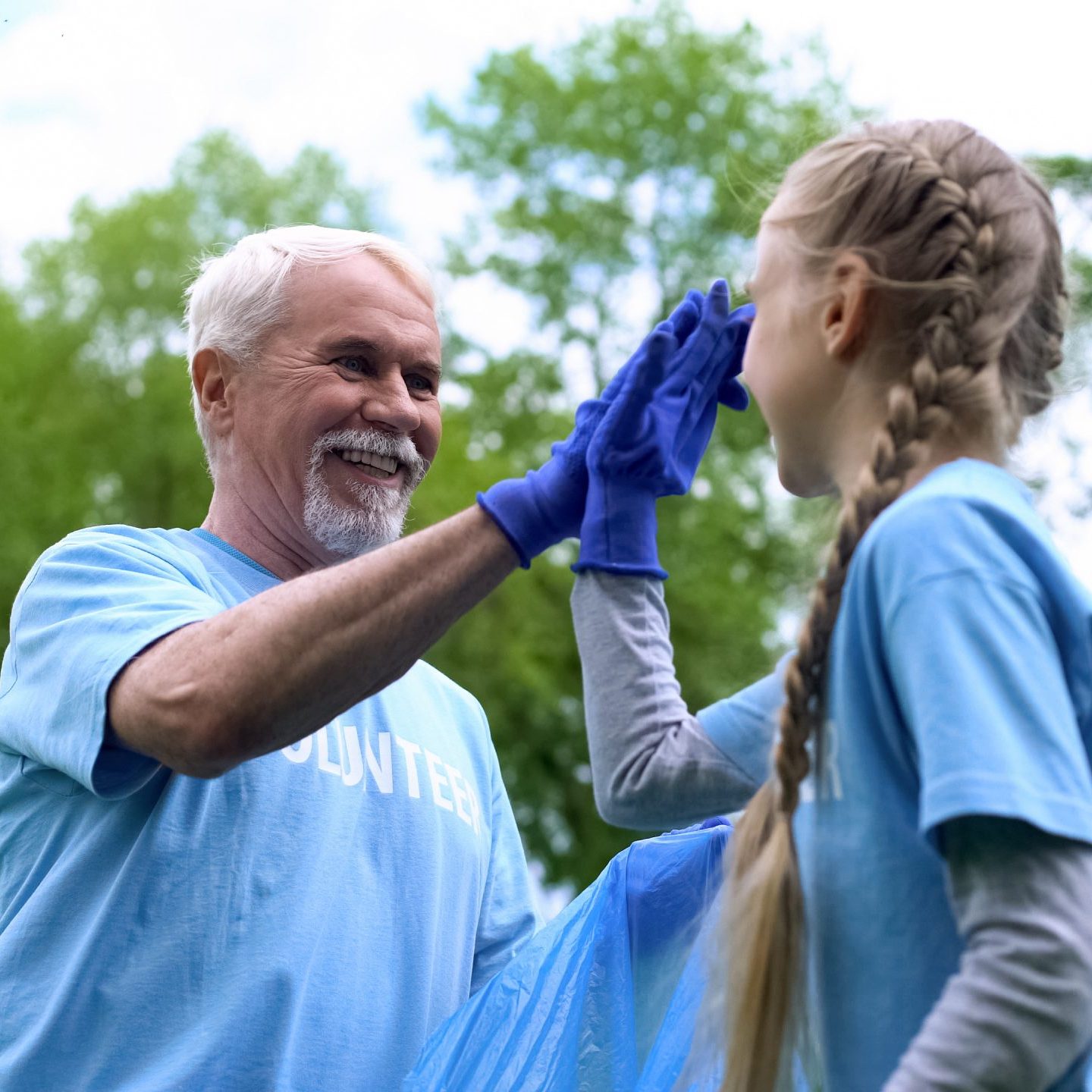
A fundraiser can have a worthy goal and still stall if the community experiences it as another obligation. The problem is rarely that families, donors, sponsors, or neighbors do not care. More often, they are busy, uncertain, or unsure whether their small action will matter. Community engagement makes a fundraiser more effective when it removes that hesitation before it hardens into silence.
The strongest campaigns do not treat engagement as noise around the real work. They treat it as the work that makes participation feel natural. A school band raising money for travel, a youth team preparing for a season, or a local nonprofit funding a program all depend on the same basic condition: people need to understand why the effort matters and how they can help without being pulled into confusion.
That is a practical operating choice, not a sentimental one. Engaged communities respond faster, share more confidently, and ask fewer clarifying questions. Volunteers spend less time chasing basic answers. Supporters feel like part of a shared project instead of an audience being pressured to react.
Engagement Begins Before the Public Ask
Many teams wait until launch day to think about engagement. They prepare the page, the flyer, the email, and the first reminder, then hope the community rallies. By then, the most important engagement decision has already been made: whether the fundraiser was shaped around how people actually participate.
Before any public message goes out, leaders should be able to explain the fundraiser in plain language. What is being funded? Why now? What will change if the campaign succeeds? What is the simplest useful action a supporter can take? If those answers require a long backstory, the campaign is not ready for more promotion. It needs sharper judgment.
Consider two versions of the same school fundraiser. In the first, the announcement says the group is raising money for student activities and asks everyone to support the effort. The cause is good, but the message is too broad. In the second, the announcement names the specific trip, equipment, or program gap, explains the deadline, and gives families one simple path to share the campaign with relatives and local supporters. The second version does not beg harder. It gives people a clearer reason to act.
Good engagement also begins with internal alignment. Volunteers should know who answers questions, what details can be shared publicly, and what the team will not promise. When the people closest to the campaign are confident, the broader community receives a calmer and more credible invitation.
Make Participation Feel Social, Not Pressured
Community fundraising works because people respond to relationships. That can be powerful, but it can also become uncomfortable if the campaign leans too heavily on obligation. A fundraiser is more effective when people feel invited into a shared purpose, not cornered into proving loyalty.
The language matters. Instead of telling supporters that everyone must do their part, describe the difference participation makes. Instead of measuring worth by the size of a contribution, recognize several useful behaviors: sharing the campaign, introducing a sponsor, volunteering for a defined shift, explaining the cause to a family member, or helping close the loop after the campaign ends.
This is especially important in schools and local nonprofits, where the same people often play several roles. A parent may also be a volunteer, a donor, a neighbor, and a board member. A local business owner may support multiple causes in the same season. Pressure can generate a short-term response, but it often leaves people less eager to help next time.
A more durable approach is to create visible permission for different levels of participation. Some supporters can give time. Some can share the message. Some can make a financial contribution. Some can simply help the campaign reach the right audience. When every action is framed as useful, the campaign expands beyond the small circle of people who always carry the load.
Design for Volunteers Who Are Already Busy
Community engagement fails when it depends on heroic volunteer effort. If participation requires volunteers to explain the fundraiser repeatedly, answer the same questions in separate threads, or manually coordinate every supporter, the campaign may still raise money, but it will burn through goodwill.
The practical question is not, “How do we get volunteers to do more?” It is, “What can we remove so volunteers can focus on the moments that actually need a human touch?” That may mean writing one clear campaign summary instead of five variations. It may mean giving team captains a short message they can personalize. It may mean publishing dates, goals, and follow-up expectations in one place so volunteers are not acting as a help desk.
Volunteer capacity should shape campaign design. A fundraiser run by three parents after work cannot use the same process as a staffed development department. A small nonprofit with one administrator should not choose a structure that requires constant reconciliation, manual tracking, and custom explanations for every supporter.
Simple does not mean small. It means the path is clear enough that the community can help without waiting for permission. The best engagement systems make the first action obvious, the next reminder predictable, and the closeout easy to understand.
Turn Trust Into Repeatable Momentum
The lasting value of community engagement shows up after the fundraiser ends. If supporters remember the campaign as clear, respectful, and well run, the next effort starts with more trust. If they remember confusion, pressure, or unanswered questions, the next effort starts with resistance even if the cause is worthy.
Closing the loop is one of the most underused engagement tools. After the campaign, tell the community what happened in concrete terms. Name the outcome, thank the groups that helped, and explain what the support made possible. A brief update can do more for future participation than another promotional message during the campaign.
Leaders should also review engagement as an operating measure, not just a feeling. Look at which messages people shared, where questions repeated, when participation slowed, and which volunteer tasks took longer than expected. Those signals reveal whether the campaign was easy to understand or merely loud enough to get through.
Community engagement makes a fundraiser more effective because it lowers uncertainty. People are more willing to participate when they trust the purpose, understand the process, and believe their action fits the moment. The campaign becomes easier to explain, easier to carry, and easier to repeat. That is the difference between a fundraiser that extracts attention and one that builds community strength for the next effort.