
How to Turn Fundraising Case Studies Into Credible Proof
A strong fundraising case study gives future supporters evidence they can trust: the tension, the decision, the tradeoff, the result, and what the team learned.

A strong fundraising case study gives future supporters evidence they can trust: the tension, the decision, the tradeoff, the result, and what the team learned.

Participation-first fundraising is not a softer message. It is a system that makes the campaign easier to understand, easier to carry, and easier to repeat.
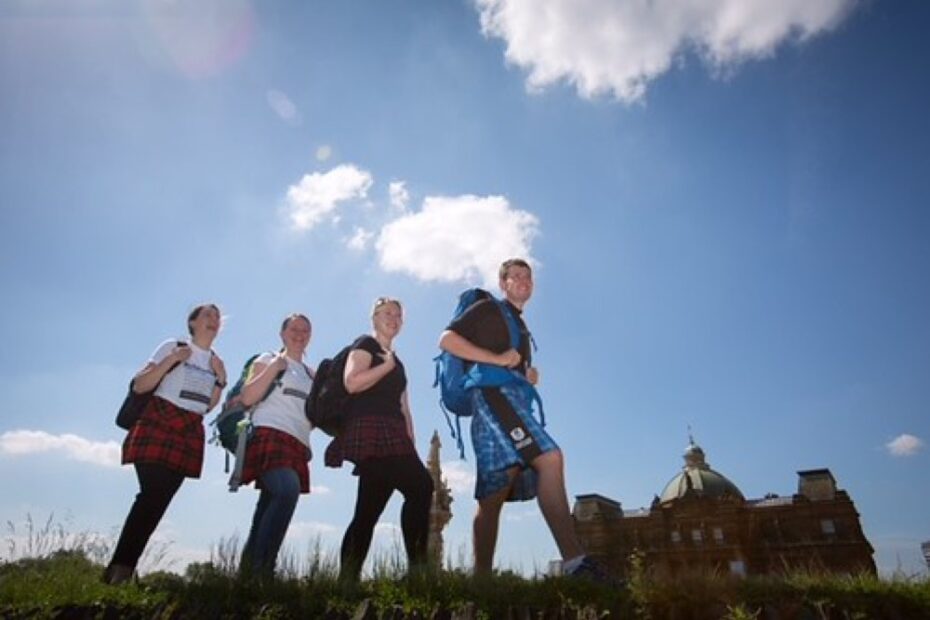
Ask size is not just a revenue lever. It changes how supporters evaluate the decision, how much proof they expect, and what kind of relationship the campaign is building.
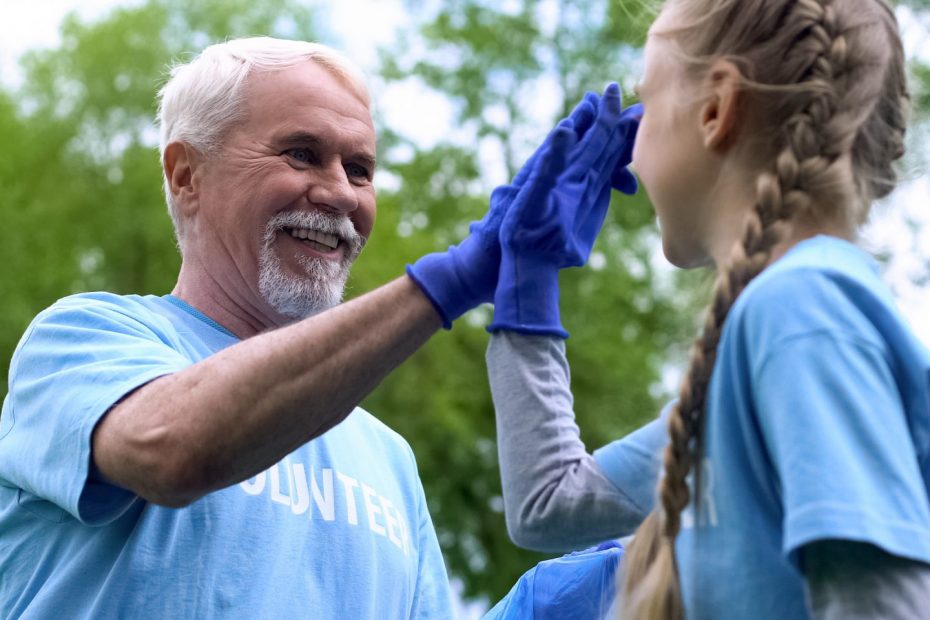
Local goodwill is shaped by how a fundraiser feels to the people receiving the ask. Clear timing, respectful communication, coordinated outreach, and visible follow-through help keep the community willing to participate again.

Supporter questions reveal the friction that keeps interested people from acting. A stronger campaign uses those questions to clarify the ask, reduce hesitation, and protect volunteer time.

Word-of-mouth grows when a fundraiser is easy to explain, socially safe to share, and supported by real moments worth repeating.
Better category and topic content helps fundraising brands lower hesitation before the campaign ask by making purpose, participation, and credibility easier to understand.
Communities decide whether to participate by reading signals of fit, clarity, effort, and trust long before they absorb every campaign detail.

Trust on a fundraiser landing page is built through practical clarity: who is behind the effort, what support changes, and what the visitor can do next without hesitation.

Support drops when a campaign feels like it could belong to anyone. Local detail, human voice, and specific follow-through help supporters recognize their role.