
Middle School Fundraisers Need a Simple Ask and a Real Student Role
Middle school fundraisers work best when families get one simple path to participate and students get a visible role that feels age-appropriate.

Middle school fundraisers work best when families get one simple path to participate and students get a visible role that feels age-appropriate.

Elementary school fundraisers work best when the format respects parent attention, limits volunteer strain, and gives young students a simple way to feel included.
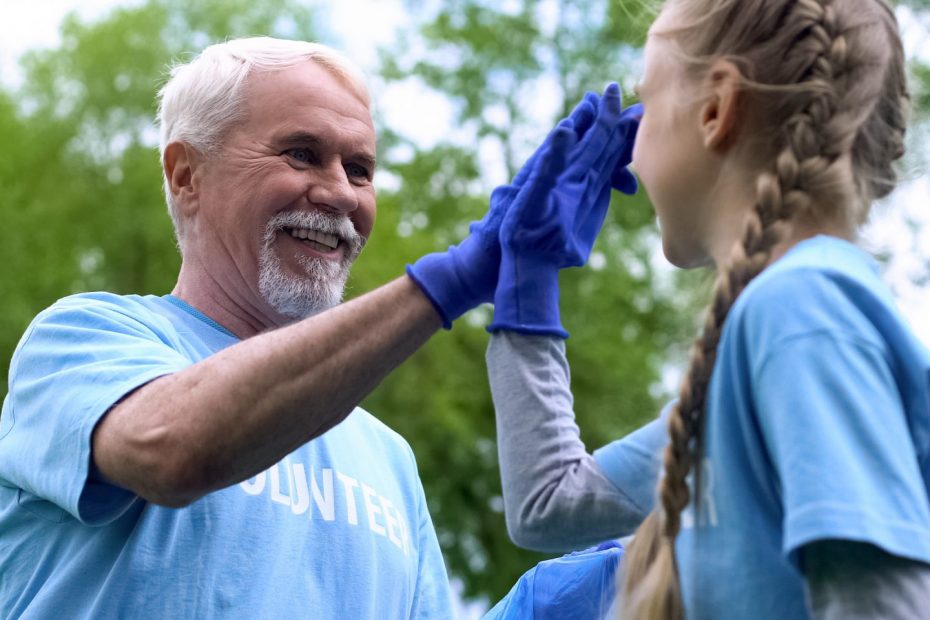
Success stories improve fundraiser participation when they answer the hesitation supporters feel at a specific moment in the campaign.
Skeptical supporters are often responding to past confusion, pressure, or poor follow-through. Strong fundraising conversations answer those concerns calmly and specifically.

Parent participation improves when a fundraiser respects family calendars, gives one clear next step, and reduces the amount of private explanation volunteers have to provide.
Fundraiser engagement usually fades when supporters are unsure what has changed or what to do next. Strong campaign posts reduce that uncertainty with clear progress, useful reminders, and messages volunteers can repeat.

Local sponsors get involved when the role is clear, the effort is manageable, and the school can follow through on recognition and stewardship.

Church fundraisers earn more trust when they feel like an extension of ministry rather than a sales push. Use ideas that fit the church calendar, protect volunteers, and make support feel clear, local, and dignified.

A community fundraiser stays enjoyable when the campaign is designed around belonging, clear roles, manageable asks, and a finish that people feel good repeating.
Participation often falls before anyone says no. These quiet fundraiser mistakes create friction, weaken trust, and make volunteers carry work the campaign should have solved earlier.